
Building connections and understanding: Reflections from the young-onset dementia day in Beegden
Building connections and understanding: Reflections from the young-onset dementia day in Beegden
Earlier this month (01/11/2025), we had the privilege of attending a special day organised by Alzheimer Centrum Limburg, in collaboration with Hulp bij Dementie and Meandergroep Zuid-Limburg, hereby bringing together people living with Young Onset Dementia (YOD), their caregivers, and case managers in Beegden. Representing ACL were Bo, Cailin, Glenn, Jessie, Marjolein, Maud, Stevie, and myself.
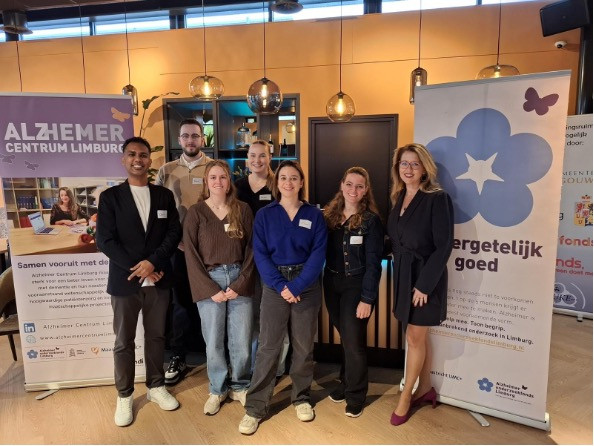
Despite a familiar start — rainy skies and the NS disruptions (thankfully, there was an alternative)— the day quickly transformed into one filled with warmth, openness, and genuine connection. This was the third edition of the event, building upon the valuable insights and experiences gathered from previous years.
Setting the stage: voices and reflections
The day began with opening words from Loes van de Voort , the Alderman of Maasgouw, Prof. Marjolein de Vugt, and Sonja Bouten - who shared her perspective as a person living with YOD. Their reflections beautifully set the tone for a day of empathy and collaboration. Maud and I then closed the first part of the program by presenting key findings from the focus group discussions held during last year’s edition.
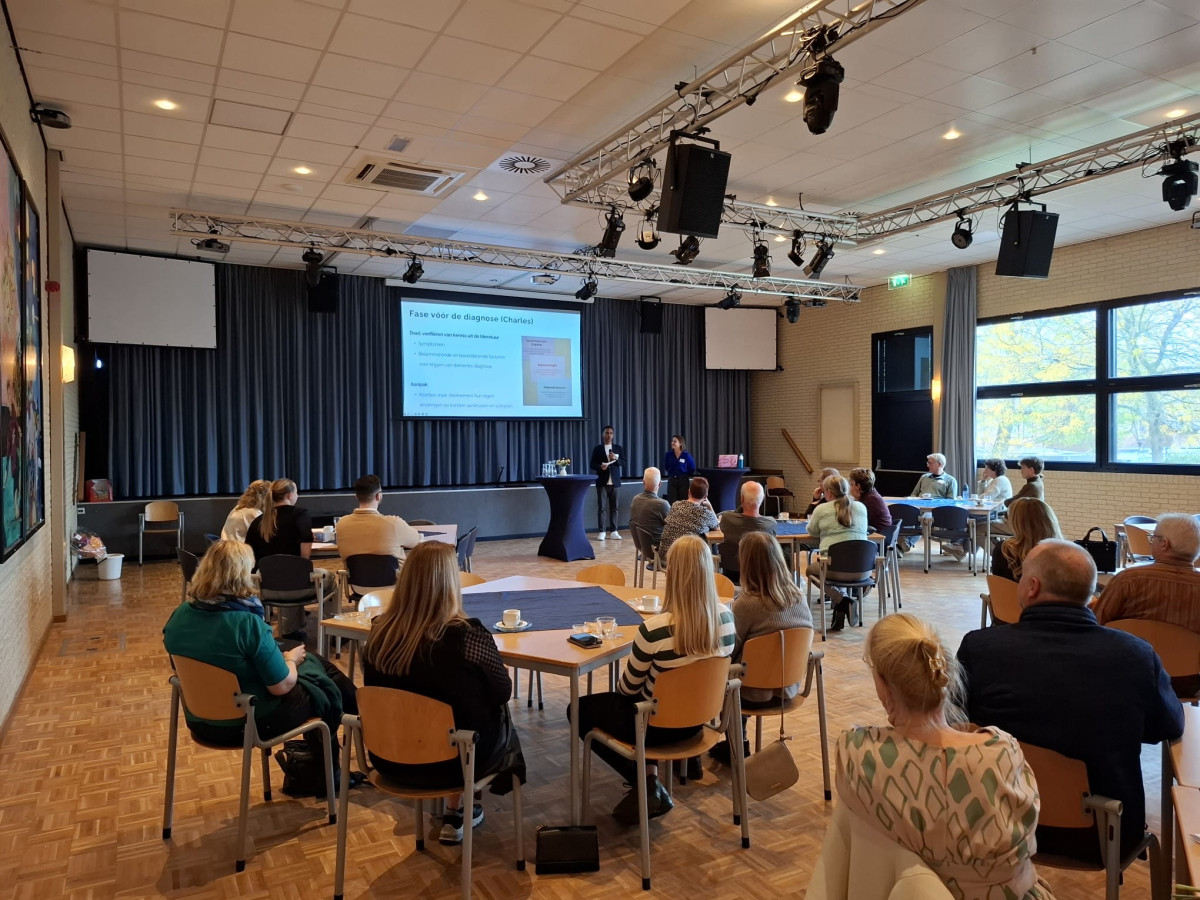
Maud’s research last year focused on prioritizing the needs of persons with YOD and their families. Maud hereby emphasized how essential tailored support and clear communication are to help families navigate life after diagnosis. My presentation was focused on the prediagnostic phase, highlighting early symptoms, barriers, and facilitators to timely YOD diagnosis. Together, these insights helped frame the day’s discussions, reinforcing the importance of early awareness and truly person-centred support.
Moving forward: Co-creation and new conversations
This year’s edition introduced two new focus group sessions, each exploring a unique yet deeply connected aspect of life with YOD. Caitlin introduced her research exploring how people perceive the risk and heredity of YOD. Her session sparked rich discussions about how families think about risk factors, what comes to mind when talking about prevention, and the need for compassionate and clear communication when discussing heredity. Maud’s research is currently focused on developing psychosocial support for families living with YOD. The conversations held during this day centered on the practical and design-related aspects of the intervention, guided by one overarching goal: “Being able to remain a family together and care for one another.” The discussions with attendees underscored the importance of co-creation in shaping this support.
A shared Journey
Across both sessions, what stood out most was the sense of community and collaboration. Research was not something done about people — it was done with them. The atmosphere of mutual respect and curiosity fostered honest dialogue and deep reflection.
As we look ahead, the continued partnership between Alzheimer Centrum Limburg, Hulp bij Dementie, and Meandergroep Zuid-Limburg holds great promise. Together, we’re moving toward a future where the voices of people living with YOD and their families truly shape the understanding, empathy, and innovation that define care and support in this field.
This blog is written by Charles David, PhD Candidate at the Alzheimer Centrum Limburg